These days, we are awash in “free speech,” and lots of it is not wholesome. Much of what we experience in public and private discourse seems to be increasingly coarse and caustic.
We may find ourselves drawn into toxic dialogue, in the workplace, in the coffee shop, or on social media, as relatively passive consumers or eager participants. We may find ourselves using words or expressing sentiments that are anything but skillful. We cleverly formulate our own words and phrases to justify our own positions and condemn or ridicule others’.
People are killing and being killed by words. Without any doubt, we will benefit ourselves and others by returning to the well of wisdom that is the Triple Gem and resting there before we utter our next syllable.
This week we heard from Steve who discussed this topic.
Here is a good summary of the elements of Wise Speech from an article in Tricycle (Beth Roth, 2017) which Steve brought up during the talk:
- Right Speech is one of the Five Precepts for ethical conduct, along with protecting life and not killing, taking only what is freely offered and not stealing, using one’s sexual energy in ways that do not harm oneself or others, and refraining from the use of intoxicants to the point that they cloud the mind. The Buddha taught that ethical conduct is the foundation of meditation practice, and is also the ground upon which our life and our spiritual journey rest. The Buddha called these precepts for ethical conduct “The Five Gifts,” because by undertaking these trainings we offer a supreme gift to other beings and to ourselves: the gift of freedom from fear, hostility, and oppression.
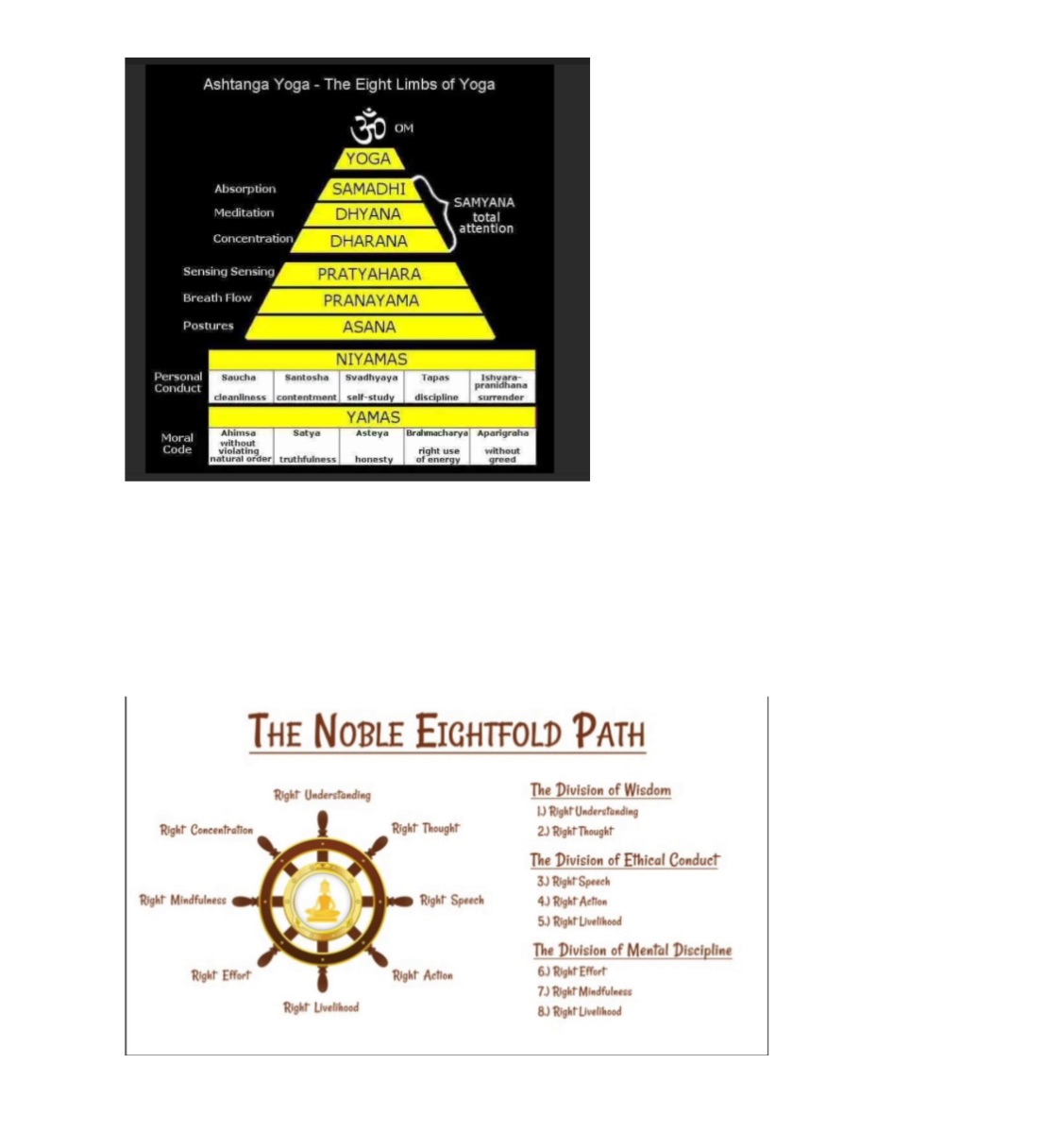
- In addition to being one of the Five Precepts, Right Speech is also one of the components of the Noble Eightfold Path, along with Right View, Right Intention, Right Action, Right Livelihood, Right Effort, Right Mindfulness, and Right Concentration. Here again the word “Right” is not a moral judgment to be contrasted with bad or wrong, but means “leading to happiness for oneself and others.” The Noble Eightfold Path is a path to liberation, which is described as happiness, inner peace, and freedom from suffering in this lifetime. It is also the path that releases us from future rebirths into realms of suffering.
- The Buddha was precise in his description of Right Speech. He defined it as “abstinence from false speech, abstinence from malicious speech, abstinence from harsh speech, and abstinence from idle chatter.” In the vernacular this means not lying, not using speech in ways that create discord among people, not using swear words or a cynical, hostile or raised tone of voice, and not engaging in gossip. Re-framed in the positive, these guidelines urge us to say only what is true, to speak in ways that promote harmony among people, to use a tone of voice that is pleasing, kind, and gentle, and to speak mindfully in order that our speech is useful and purposeful.
- Right Speech is a mindfulness practice. By undertaking this practice, we commit to greater awareness of our body, mind, and emotions. Mindfulness makes it possible to recognize what we are about to say before we say it, and thus offers us the freedom to choose when to speak, what to say, and how to say it. With mindfulness, we see that the heart is the ground from which our speech grows. We learn to restrain our speech in moments of anger, hostility, or confusion, and over time, to train the heart to more frequently incline towards wholesome states such as love, kindness and empathy. From these heart states Right Speech naturally arises.
- The practice of Right Speech requires that we attend to karma, or the law of cause and effect. We repeatedly observe that different kinds of speech create different kinds of results. Using speech in certain ways assures suffering, while speaking in other ways creates happiness. There is a Tibetan prayer that says, “May you have happiness and the causes of happiness. May you be free of suffering and the causes of suffering.” When we understand the workings of cause and effect, we can appreciate how profound this prayer is.
- The teaching about Right Speech assumes imperfection. Our “mistakes” are a vital part of our learning. We need to lie, exaggerate, embellish, use harsh and aggressive speech, engage in useless banter, and speak at inappropriate times, in order to experience how using speech in these ways creates tension in the body, agitation in the mind, and remorse in the heart. We also discover how unskillful speech degrades personal relationships and diminishes the possibility of peace in our world.
- Because Right Speech figures so prominently in the fundamental teachings of the Buddha, we know that what we might call Right Listening, as the complement to Right Speech, is also very important. But what exactly is Right Listening?
- Webster’s dictionary defines ‘listen’ as “to pay attention to sound” and “to hear with thoughtful attention.” Yet effective listening means paying attention to more than just sound, and therefore requires that we use more than just our ears. As we are increasingly able to bring mindfulness to ordinary human interaction, we find that listening means attending to our physical sensations, thoughts, and emotions, as well as to the voice, facial expressions, gestures, pauses, underlying meanings, and rich nuances that accompany the spoken words of others.